Choosing the perfect home is only one part of the journey; selecting the right neighborhood is equally important. Where you live affects your everyday life, property investment, and sense of community. Buyers considering a move to the Sarasota and Manatee County areas should take time researching their options. In particular, if you are interested in master-planned communities with extensive amenities and a strong reputation, Lakewood Ranch FL Homes for Sale are an exceptional choice. The 941 Team, the local real estate experts behind 941TeamHomes.com, provides buyers with up-to-date listings and unmatched expertise in Lakewood Ranch and its surrounding neighborhoods. As a trusted resource in the region, the 941 Team specializes in helping clients find homes that suit both lifestyle and investment goals.
This comprehensive guide details the key steps and factors you should use to assess any neighborhood. Taking a thoughtful, data-driven approach increases your chances of finding an area that suits your needs today and supports the value of your investment for years to come.
1. Research Local Schools
Even if you do not have children, the quality of local schools remains a vital consideration. Neighborhoods with high-ranking schools tend to maintain stronger property values and attract more buyers who want a solid educational foundation for their families. Use reputable online tools like GreatSchools to review school ratings, curriculum options, and special programs. Comparing schools in your target area can help you anticipate whether the demand and value are likely to grow over time.
2. Assess Crime Rates
Safety is one of the most important factors for any homebuyer. Investigate both recent crime statistics and longer-term trends using local police reports or dedicated safety tracking websites. Look for areas with a track record of improvement or consistently low crime. Be mindful that certain neighborhoods may also have active community watch groups or neighborhood associations that help reduce crime rates and keep residents informed about safety.
3. Evaluate Amenities and Services
Convenience can make everyday life much more enjoyable. Proximity to major grocery stores, medical facilities, and public transportation can save you time, while easy access to parks, gyms, and cultural centers upgrades your lifestyle. When assessing amenities, also consider walkability and natural features such as trails or lakes. Well-rounded neighborhoods almost always provide a mix of both necessary and recreational services.
4. Understand Community Culture
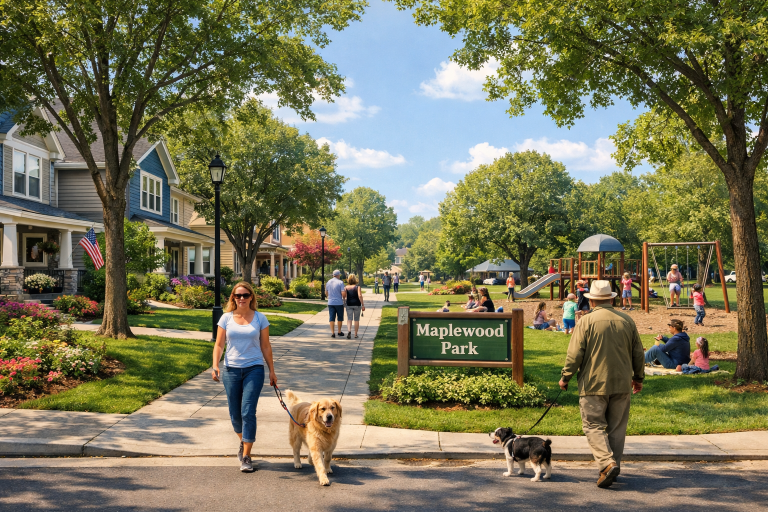
Every neighborhood develops its own culture and rhythm. Whether you seek a quiet residential focus or a bustling, social environment, take time to experience the local vibe. Attend community events and visit neighborhood hubs to watch how residents interact. This firsthand exposure helps you decide if an area matches your preferences and expectations for daily life.
5. Consider Future Development Plans
Neighborhoods do not remain static. Upcoming projects, zoning changes, and infrastructure improvements all have a direct impact on both the feel and the value of your destination. Visit city or county planning departments and look for published development maps or proposed projects. A promising commercial corridor, a new school, or an expanding commuter line could be positive indicators for property values in your area.
6. Observe Traffic and Noise Levels
Daily rhythms in a neighborhood change from morning to night and on weekends. Make visits at various times to gauge traffic flow and noise from cars, businesses, or local events. This process will clarify whether the environment aligns with your needs, such as if you value peace and quiet for a home office or want easy access to nightlife.
7. Engage with Local Residents
Conversations with current residents can offer invaluable insights that no website can provide. Talking to neighbors about their experiences, safety concerns, and any local quirks can expose both the strengths and potential drawbacks of a neighborhood. Residents are often candid about homeownership satisfaction and share tips about the area’s unwritten rules or advantages.
8. Analyze Property Values and Market Trends
Evaluating recent sales and price trends is vital. Healthy neighborhoods show steady or growing appreciation over several years. Use resources such as Zillow Research to track property data. Local real estate agents can also provide market reports that show both affordability and investment potential, helping you avoid areas with unstable or declining values.
Choosing the right neighborhood is more than just location; it is about making an informed decision for your lifestyle and your long-term investment. By applying each of these evaluation strategies, you will position yourself to select an area that meets your day-to-day needs and supports the future growth of your property’s value.