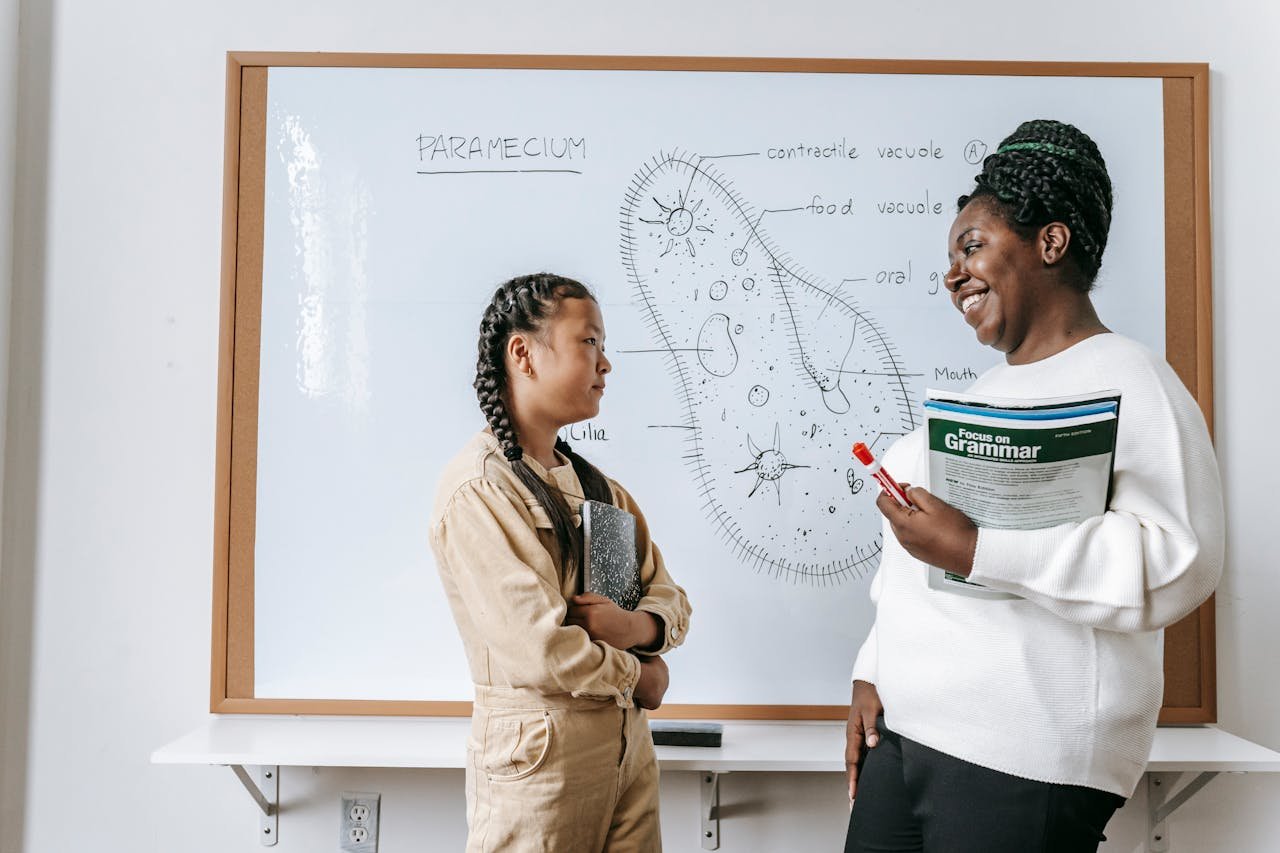
 Classrooms today are quite different from those of a decade ago – and that’s a good thing. You’ll find students with different learning styles, cultural backgrounds, attention spans, and abilities all sharing the same space. Some grasp concepts quickly through visuals, while others need repetition, structure, or hands-on support.
Teachers no longer just deliver lessons; they adapt, guide, and connect in ways that reach every learner. That shift takes effort, awareness, and the right tools.
Here are some ways you can support diverse learning needs without losing your sanity or passion for teaching.
“One Size” Doesn’t Work Anymore
When you step into your classroom, you’re not teaching a single type of learner. You’re working with students who think, process, and respond in very different ways. Some students follow along easily, while others need more time, repetition, or a different explanation. If you rely on one fixed method, you’ll notice that not everyone keeps up.
Instead of sticking to a rigid approach, you need to stay flexible. Pay heed to how your students respond during lessons. If something isn’t clicking, try a different way of explaining it.
When you accept that one method won’t fit all, your teaching becomes more responsive. Your classroom feels more supportive, and your students are more likely to stay engaged.
Explore Advanced Special Education Programs
As you work with a wider range of learners, you may realize that your current training only covers part of what you need. To support students with learning disabilities or different needs, you benefit from deeper knowledge and practical strategies. This is where a degree in special education becomes valuable.
When you pursue advanced study, you learn how to identify learning challenges, adjust instruction, and manage behavior more effectively. You can take this step without putting your career on hold. For example, the online Masters in Special Education at William Paterson University allows you to continue teaching while studying. The program focuses on real classroom application, including inclusive practices, instructional planning, and working with diverse learners. Since it runs fully online, you can manage your schedule more easily.
Through coursework, you build skills that directly support your daily teaching. You don’t just learn theory; you gain tools you can use right away.
Build Strong Relationships With Students
If you want your students to stay engaged, you need to connect with them first. When students feel seen and understood, they’re more willing to participate and take part in class activities.
You don’t need complicated strategies to build these relationships. Start with simple actions. Greet your students, ask how they’re doing, and listen when they talk.
When you know your students better, you also understand how to support them. If a student seems distracted or withdrawn, you can respond with patience instead of frustration. This understanding helps you create a more positive environment.
Use Differentiated Instruction Daily
To reach more students, you need to adjust how you present and assign work. Differentiated instruction allows you to do this without making things overly complicated. Instead of expecting every student to complete the same task in the same way, you offer options.
You might ask one group of students to write a response, while another group creates a visual or discusses the topic. Some students may need extra guidance, while others are ready for more challenging work. By making these adjustments, you help each student stay involved.
You don’t have to overhaul your entire lesson plan. Start with small changes. Give students choices, adjust difficulty levels, and offer support where needed.
When you use differentiation regularly, your classroom becomes more inclusive without adding unnecessary pressure on you.
Create an Inclusive Classroom Environment
You set the tone for your classroom, and students pick up on it quickly. If you want every student to feel comfortable, you need to create an environment where differences are accepted and respected. This starts with the way you speak, the materials you use, and how you respond to students.
Make sure your examples, reading materials, and discussions reflect a range of backgrounds and experiences. When students see themselves represented, they feel more connected to what they’re learning. You should also encourage respect during class interactions. Set clear expectations about how students treat one another and step in when needed.
Leverage Technology the Right Way
Technology can support your teaching, but only if you use it with purpose. You don’t need to bring in every new tool you come across. Focus on tools that actually help your students understand better.
For example, text-to-speech tools can support students who struggle with reading. Visual aids and interactive platforms can help explain complex ideas in a simpler way. You can also use digital platforms to give students different ways to complete assignments.
At the same time, avoid overloading your classroom with too many tools. If students spend more time figuring out the technology than learning, it defeats the purpose. Keep things simple and choose tools that match your goals.
Collaborate With Parents and Specialists
You don’t have to handle every challenge on your own. When you work with parents and other professionals, you gain a better understanding of your students and how to support them.
Keep communication open with parents. Share updates about progress and listen to their concerns. They can offer insight into what works for their child outside the classroom. This helps you adjust your approach when needed.
You should also work closely with special educators, counselors, and support staff. These professionals bring experience and strategies that can make your teaching more effective. When you share ideas and observations, you build a stronger support system for your students.
Collaboration makes your job easier and ensures your students receive consistent support from all sides.
When you look at your classroom today, it’s clear that teaching has moved far beyond simply delivering content. You’re guiding students who think differently, learn at different speeds, and need different kinds of support. That can feel like a lot, but it also gives you the chance to make a real impact.
You don’t need to have every strategy mastered or every answer ready. What matters more is how willing you are to adapt. When you stay flexible, invest in your own growth, and pay attention to what your students actually need, your teaching starts to shift in the right direction.