The modern workplace has transformed rapidly, and how we design our office spaces can make or break productivity and overall employee satisfaction. Companies are moving toward adaptable, people-focused environments, realizing that great design goes beyond appearances and directly influences employee performance, creativity, and well-being. As organizations across different industries pursue hybrid work strategies and shared office models, the need for innovative spaces becomes even more crucial. Professional office building construction services across Utah play a key role in bringing these cutting-edge concepts to life, ensuring spaces are both functional and inspiring.
Modern office design is about much more than placing desks in a room. It creates opportunities for connection, supports new technologies, honors diversity, and even brings the calming effects of nature indoors. These thoughtful design choices turn offices into destinations where employees want to spend their time, fueling collaboration and engagement just as much as productivity.
Embracing Flexible Layouts
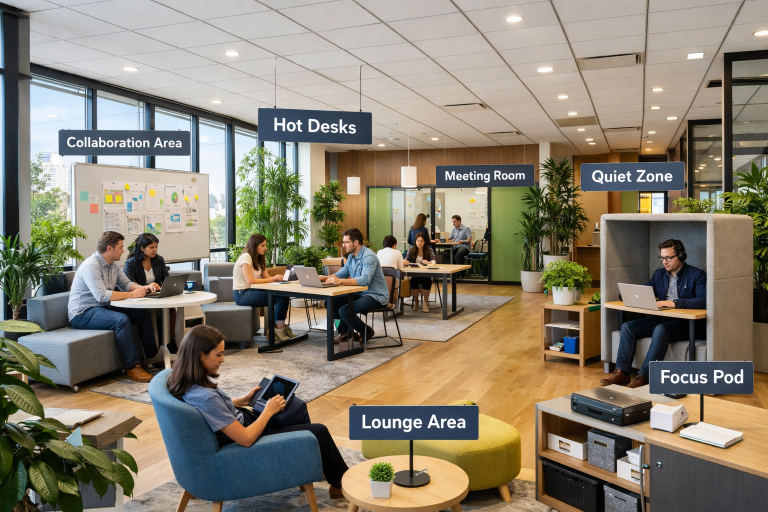
One of the standout changes in professional office design is the shift toward flexibility. Traditional offices with fixed desks and reserved spaces are giving way to modular furniture and dynamic layouts. These flexible systems allow businesses to quickly adjust spaces for team meetings, solo work, client presentations, and social gatherings. Even hot desking, once just for startups and co-working hubs, is now being used in larger corporate environments. According to McKinsey, hybrid and flexible office formats have remained consistently popular post-pandemic, underscoring the need for adaptable setups to make the office commute meaningful for everyone.
These adaptable layouts also reduce real estate costs for organizations and help employers respond to the ever-changing needs of a hybrid workforce. When layouts can be changed at a moment’s notice, employees are more likely to find a working environment that fits their daily needs.
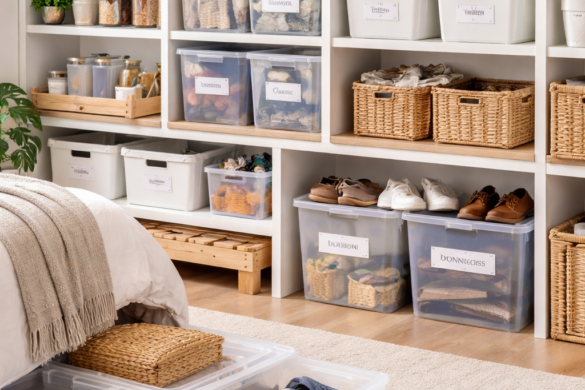
At the heart of flexible design lies a philosophy of versatility and user empowerment. Companies are investing in ergonomic furniture, movable partitions, and multipurpose spaces that can support different group sizes. A well-planned open office can easily pivot from ideal for heads-down productivity one day to a collaborative brainstorming hub the next. Locker storage systems and personal storage solutions also ensure employees are comfortable, regardless of which workspace they use on a given day. Furthermore, flexibility can improve space utilization rates, making every square foot count, especially in high-cost real estate markets.
Incorporating Biophilic Design
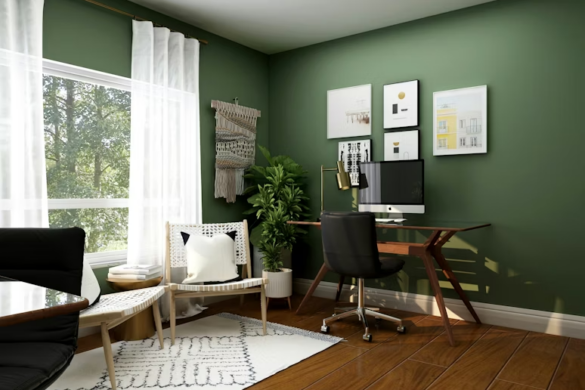
Bringing elements of nature into the workspace, known as biophilic design, has been shown to enhance employee well-being and focus. Modern offices now feature natural light, green walls, and strategically placed indoor plants to reduce stress and increase creativity. Findings published by Healthline show that even modest amounts of natural elements can lead to measurable improvements in productivity and well-being.
A large international study conducted among 7,600 office workers found that offices with biophilic features led to 6% higher productivity, a 15% boost in creativity, and a notable increase in overall happiness. These benefits have a lasting impact, helping reduce absenteeism and turnover while contributing to a healthier overall organization.
Companies are becoming even more creative with biophilic design, incorporating natural materials such as wood and stone, water features, living plant walls, and nature-inspired color palettes. These choices help to blur the lines between indoor and outdoor environments and promote a greater sense of peace and relaxation. Access to outdoor workspaces, rooftop gardens, and large operable windows that invite fresh air are also increasingly popular as employers recognize the link between physical health and the workspace. Ultimately, a well-designed space that puts nature first can create a restorative atmosphere and foster renewed energy throughout the workday.
Integrating Advanced Technology
Technology integration is a must-have for any modern workplace. From high-speed Wi-Fi and wireless charging stations to smartboards and integrated conferencing tools, today’s offices are designed to enhance collaboration and maximize efficiency. Workplaces are moving away from traditional, sterile environments toward welcoming, home-like settings with ergonomic furniture, breakout lounges, and high-quality amenities.
The goal is to support seamless workflows, whether employees are working together in person or joining from remote locations. Creating spaces that leverage the latest in communication and productivity tech is essential for organizations striving to attract top talent who expect both comfort and high performance from their work environments.
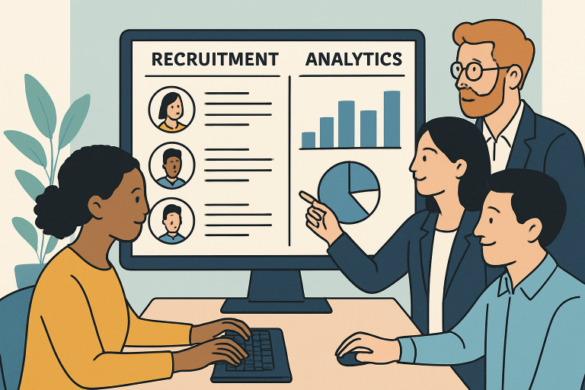
Beyond the basics, many innovative offices are using smart building technologies that optimize energy use, lighting, climate, and security. Sensors automatically adjust conditions based on usage patterns, while integrated booking systems make it simple to reserve rooms or desks. Video conferencing pods enhance privacy for remote meetings, while interactive digital displays foster creative problem solving. As the Internet of Things (IoT) becomes widespread, office technology will become even more intuitive, promoting efficiency and improving the overall experience for everyone on site.
Designing for Inclusivity and Diversity
A truly modern office is one that values inclusivity at every stage of design. Spaces are being created with accessibility in mind, ensuring that people of all physical abilities can navigate and utilize the workspace comfortably. Considering cultural differences, gender-neutral amenities, and various work preferences (such as quiet zones and collaborative hubs) ensures that every team member feels welcome and empowered.
According to the Forbes Human Resources Council, prioritizing inclusive design boosts morale and increases organizational loyalty. When employees of all backgrounds are included in the workspace, teamwork, creativity, and innovation thrive.
Designing for diversity and inclusion goes well beyond basic compliance. Incorporating adjustable desks, tactile signage for the visually impaired, and versatile furniture arrangements demonstrates a true commitment to accessibility. Incorporating multicultural art, displaying visual cues in multiple languages, and accommodating spaces for religious observance are further ways to ensure every employee feels seen. By listening to employee feedback and continuously updating office layouts, companies can foster a culture of belonging, enabling everyone to contribute their best work.
Final Thoughts
The evolution of office design goes hand in hand with the evolving needs of today’s hybrid and diverse workforce. By embracing flexibility, inviting nature into the workplace, incorporating smart technology, and prioritizing inclusivity, organizations can transform offices into modern workspaces that inspire, support, and empower people. Careful investment in these principles not only boosts productivity but also cultivates a workplace culture that’s ready to thrive now and into the future.
As organizations invest in future-proofing their spaces, the most effective office designs are those that put people first and remain agile in the face of change. Thoughtful, professional office design sets the stage for outstanding work, fosters innovation, and helps businesses attract and retain the very best talent. From flexible layouts to accessible, tech-enabled environments filled with natural light, the office of tomorrow is taking shape today. Set your organization up for continued success by prioritizing a workspace that adapts, inspires, and truly supports those who use it every day.