People do not plan for injuries, especially those from accidents. They arrive uninvited and can disrupt your scheduled routine. In all of this, several thoughts bother you. What do you do now? Who is responsible? How do you make this situation right? These are not just legal questions but also personal ones. These questions, many times, compel you to pursue a personal injury claim.
The reason for pursuing justice in this case is to seek accountability and ensure you receive fair compensation. “Justice never happens automatically; you must work to make it happen,” says Attorney Jan Dils of Jan Dils, Attorneys at Law. This article serves as a guide to securing justice in personal injury cases.

-
Understanding What Qualifies as a Personal Injury Case
Being injured does not immediately mean you have a personal injury case. So, what exactly qualifies as a personal injury case? You have a case when another person’s negligence caused the injury. That is, they have full responsibility for the injury.
Ask yourself, did the responsible party owe you a duty of care? Did they breach that duty? And did that breach directly result in your injury? Your answers determine whether you have a valid personal injury claim.
-
Seeking Medical Attention
Right after an accident, the first thing to do is to go for a medical examination. This measure is not just for your health but also for legal protection. The medical records from your visit to a healthcare facility can serve as evidence in your case. It confirms the connection between the accident and your injury. So, the longer you delay this examination, the more difficult it may become to link the injury directly to the accident.
-
Preserving Evidence and Recording the Incident
To build a strong claim, you need to gather solid evidence. This evidence should include pictures, videos, witness statements, and police reports. Gathering evidence does more than support your claims. It also helps acknowledge the complete truth.
Some memories fade, and physical evidence disappears as time goes on. So, the sooner you gather and protect that evidence, the more confident you will be when moving forward with your case.
-
Consulting a Personal Injury Attorney
The aftermath of an accident leaves you vulnerable. In such a situation, consulting a personal injury attorney is important. An experienced attorney listens to you, evaluates your case, and clarifies the compensation you could receive. The best part? Many of them operate on a contingency fee basis, meaning you do not pay unless you win. This arrangement can serve as a motivator to get them committed to securing the justice you deserve.
-
Negotiation and Settlement
Negotiation is an art that requires the ability to push back against lowball offers from insurance companies. Accepting an offer does not mean you have to accept less than what you deserve. That is why you need an experienced attorney in personal injury cases to negotiate offers. You can increase the possibility of getting a higher offer that covers most of your expenses.
-
Filing a Lawsuit and Preparing for Trial
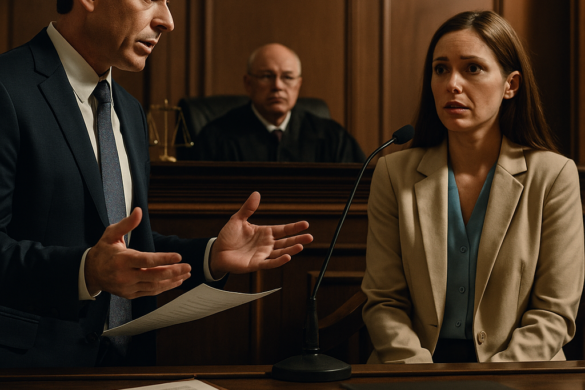
If negotiations fail, the case will go to trial in court. In court, both parties present their cases before the judge. Your attorney will explain how the accident happened, present evidence, and give details on the full impact of your injuries.
The opposing party will also counter with its defense. They present claims that show they are not fully or in any way responsible for the injury. The outcome of this trial depends on the strength of the arguments and evidence presented.
Conclusion
Life after a personal injury incident can be a traumatic experience to deal with. But understanding the steps to take in seeking justice can create some consolation. Whether your case settles out of court or requires a trial, these steps can increase your chances of winning.
Although the journey may seem difficult, having a personal injury attorney by your side is crucial. They manage your case, which allows you to focus on your recovery.