
Keeping up with your vehicle’s maintenance is one of the best investments you can make for your car, your wallet, and your peace of mind. Routine care boosts safety, efficiency, and longevity, meaning fewer breakdowns and less stress on the road. If you are searching for a trusted mechanic near Memorial in Houston, look for one that values your ride as much as you do and offers honest, reliable service.
Preventive maintenance keeps small issues from becoming big, costly surprises. Knowing a few key tasks can save you both time and money while empowering you to be more confident behind the wheel. Simple checks and timely repairs benefit your car’s performance and your own safety, whether you are driving across town or planning a long trip. Start with these basic guidelines to keep your vehicle in excellent condition.
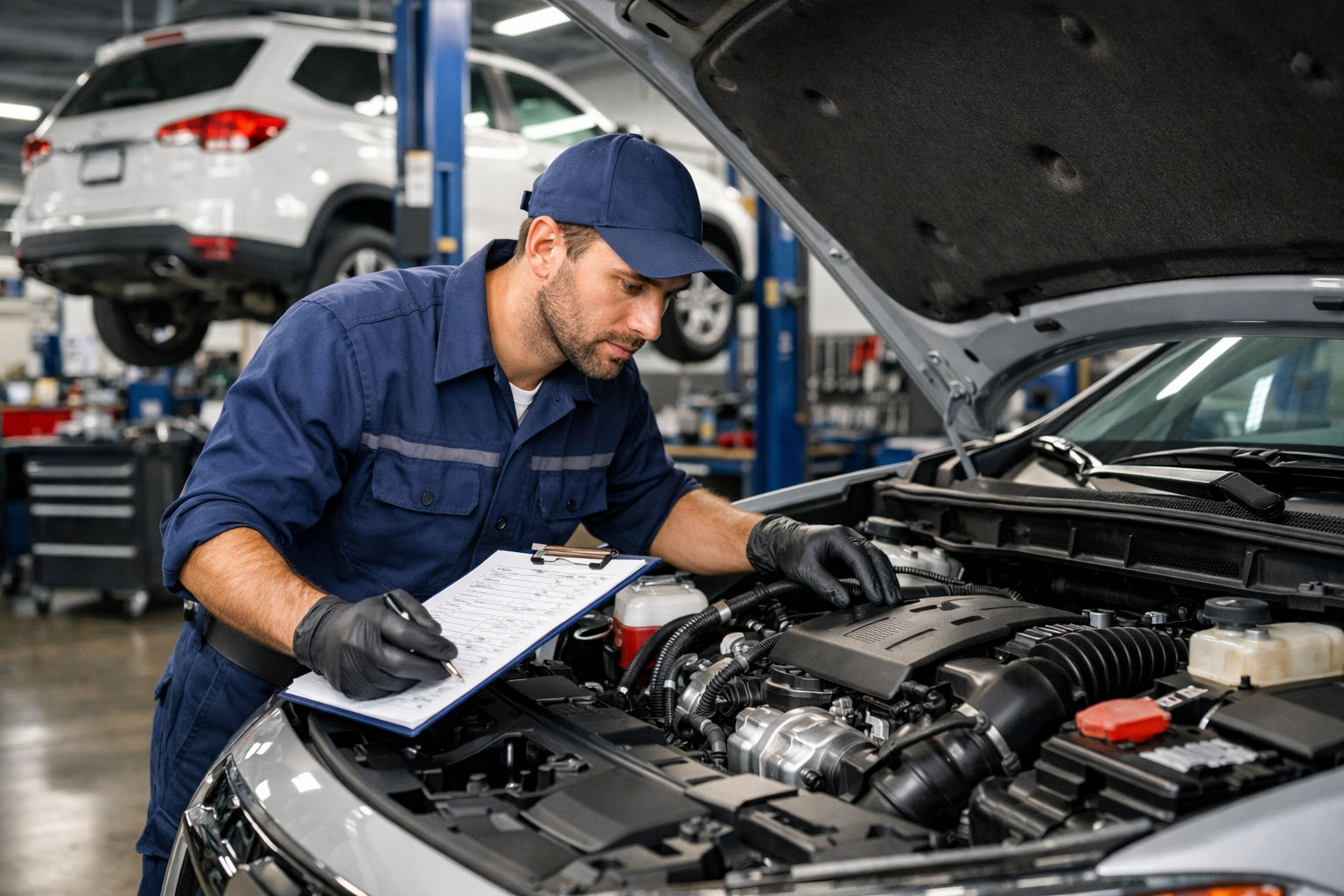
Regular Oil Changes
Engine oil is essential because it lubricates moving parts and reduces friction that leads to heat and wear. Over time, oil breaks down and collects contaminants, making it less effective. Manufacturers typically recommend changing your oil every 5,000 to 7,500 miles, but always check your owner’s manual for specific guidance. Neglecting oil changes can lead to engine damage, reduced fuel economy, and potentially costly repairs.
Visiting a trusted mechanic in Spring, TX for regular oil changes ensures the job is done correctly using high-quality oil and the proper techniques. Replacing oil at recommended intervals helps keep your engine running smoothly, prevents overheating, and minimizes the risk of premature wear. Regular oil changes also ensure other components, like your oil filter, perform correctly, contributing to overall vehicle longevity.
Tire Maintenance
Tire care supports your vehicle’s handling, safety, and performance. Check tire pressure monthly and before long journeys, ensuring it aligns with the manufacturer’s recommendation. Underinflated tires cause poor gas mileage and can be dangerous, while overinflated tires may lead to uneven wear and reduced traction.
Rotating your tires every 5,000 to 7,500 miles ensures even wear and extends tire life. Inspect the tread regularly for signs of damage, punctures, or uneven wear patterns. Tire-related issues are a leading cause of road accidents, so paying attention to your tires protects not only your car but also everyone inside it.
Brake Inspections
Your brakes are your vehicle’s most critical safety feature. Squealing or grinding noises, decreased stopping power, or a spongy brake pedal can indicate worn components or low brake fluid. Regular brake inspections, ideally once a year, help prevent minor problems from escalating into dangerous failures. Prompt attention to brake issues ensures consistent stopping power, improves safety, and can save significant money by preventing more extensive repairs.
Fluid Level Checks
Fluids like coolant, brake fluid, transmission fluid, power steering fluid, and windshield washer fluid play crucial roles in your vehicle’s operation. Checking fluid levels monthly helps prevent overheating, corrosion, and system failures. Dirty or low fluids may indicate a larger issue that requires professional service. Using the correct fluid types, as specified in your vehicle manual, is vital to ensure proper function and longevity.
Battery Maintenance
Car batteries lose efficiency as they age. Inspect the terminals for corrosion and ensure all connections are tight. Extreme temperatures in Texas can impact battery life, especially during heatwaves or winter cold snaps. Test your battery charge twice a year and consider replacing it every 3 to 5 years to avoid unexpected breakdowns. Carrying jumper cables or a portable jump starter is also a smart precaution.
Lights, Signals, and Wipers
Fully functioning lights and signals are essential for safe driving. Inspect headlights, brake lights, turn signals, and hazard lights monthly, replacing bulbs as needed.
Windshield wipers and washer fluid are equally important. Check wipers for cracks or streaking and replace them every 6 to 12 months, especially if you notice diminished performance. Keeping your windshield clean and your wipers in good condition ensures clear visibility in rain or dust storms.
Air Filter Replacement
Your engine air filter prevents dirt and debris from entering the combustion chamber. A clogged filter reduces engine efficiency and performance. Check it every 12,000 to 15,000 miles or more frequently in dusty conditions, and replace it when dirty. A clean air filter improves acceleration and fuel efficiency and reduces unnecessary engine strain.
Seasonal and Additional Maintenance Tips
- Suspension and Steering Checks: Inspect shocks, struts, and steering components for wear. Proper suspension ensures safe handling and even tire wear.
- Wheel Alignment: Misaligned wheels cause uneven tire wear and can affect vehicle handling. Have alignment checked annually or after hitting potholes or curbs.
- Timing Belt/Chain Inspection: Some engines require timing belt or chain replacement at specific intervals to prevent severe engine damage. Consult your manual.
- Exhaust System Checks: Look for rust, leaks, or damage, which can affect emissions and engine performance.
Final Thoughts
Choosing the right neighborhood auto shop pays off in the long run for every Houston driver. Avoid large, impersonal chains that may not prioritize your individual needs. A trusted local mechanic offers transparent service, fair pricing, and the personal attention necessary to keep your vehicle running safely and efficiently. Staying on top of routine maintenance protects your investment, increases safety, and ensures your car performs reliably for years.