
Introduction to Gum Health
Gum health is a fundamental aspect of oral hygiene, and at Har Dental, it encompasses the well-being of the tissues that support and surround the teeth. Healthy gums are essential for maintaining strong teeth and overall oral function. Neglecting gum health can lead to periodontal disease, one of the most common dental issues worldwide. Periodontics focuses on the prevention, diagnosis, and treatment of these conditions. Periodontal diseases affect a significant portion of the population, with studies indicating that nearly half of adults over 30 years old exhibit some form of gum disease. This high prevalence underscores the importance of awareness and proactive care in maintaining gum health.
Understanding Gum Disease
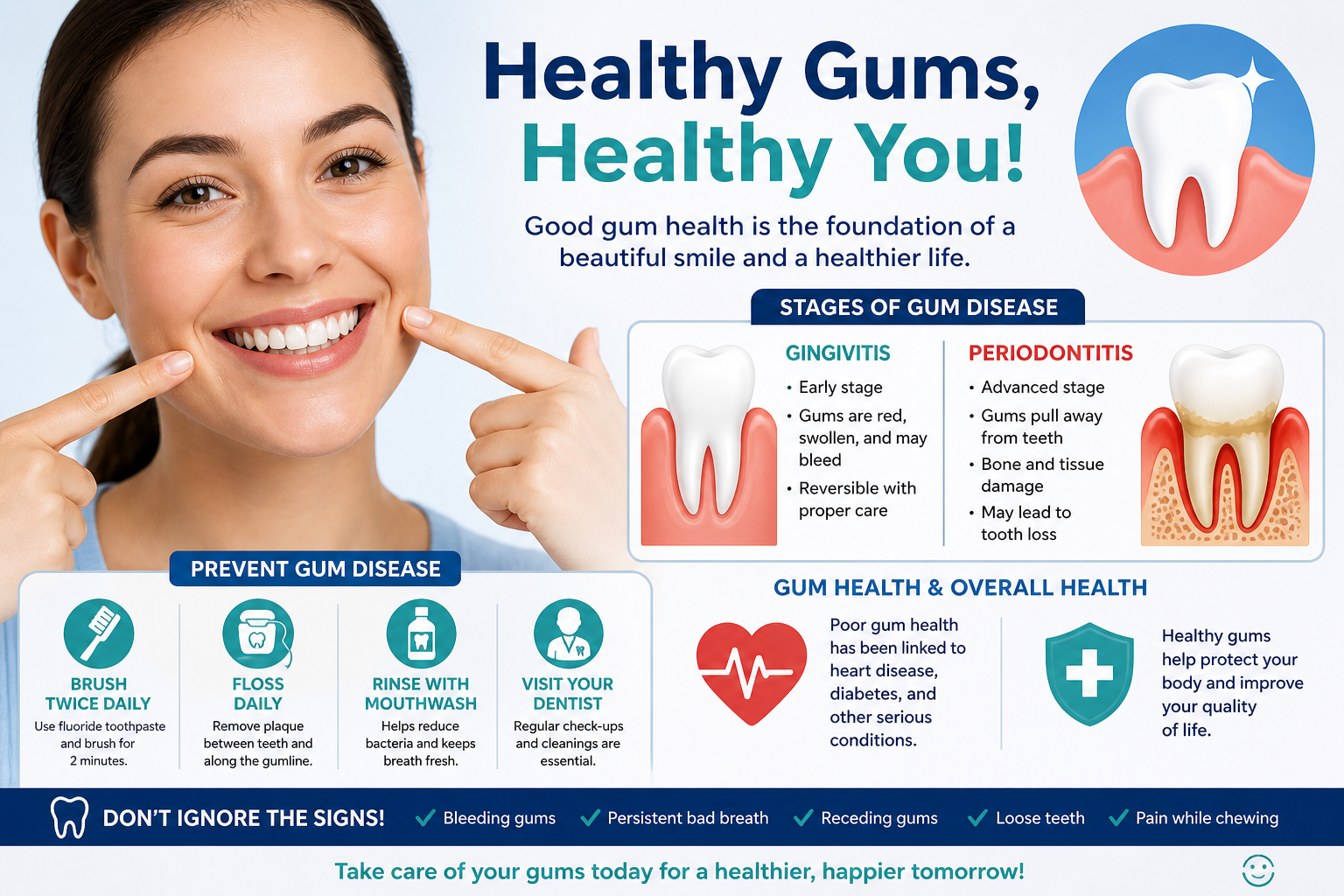
Stages: Gingivitis and Periodontitis
Gum disease typically progresses through two main stages:
- Gingivitis: The initial, mild stage characterized by gum inflammation. Symptoms may include redness, swelling, and bleeding during brushing or flossing. At this stage, the damage is reversible with proper care.
- Periodontitis: If gingivitis is left untreated, it can advance to periodontitis. This severe stage involves the destruction of the supporting bone and connective tissues, potentially leading to tooth loss.
Common Symptoms and Risk Factors
Recognizing the symptoms of gum disease is crucial for early intervention. Common signs include persistent bad breath, receding gums, loose teeth, and changes in bite alignment. Several factors can increase the risk of developing gum disease, such as poor oral hygiene, smoking, diabetes, certain medications, and genetic predisposition.
The Link Between Gum Health and Overall Health
Emerging research has established connections between gum health and systemic conditions. For instance, individuals with periodontal disease may have an increased risk of developing heart disease and diabetes. The inflammation associated with gum disease can contribute to the body’s overall inflammatory burden, potentially exacerbating these conditions. Beyond physical health, gum disease can significantly impact quality of life. Discomfort, pain, and aesthetic concerns related to gum disease can affect self-esteem and social interactions, highlighting the importance of maintaining healthy gums.
Preventive Measures for Gum Disease
Daily Oral Hygiene Practices
Consistent oral hygiene is the cornerstone of gum disease prevention. Key practices include:
- Brushing teeth at least twice daily with fluoride toothpaste.
- Flossing daily to remove plaque between teeth.
- Using an antimicrobial mouthwash to reduce bacteria.
Importance of Regular Dental Check-Ups
Regular dental visits allow for professional cleaning and early detection of potential issues. Dentists can remove tartar buildup that regular brushing and flossing might miss and provide personalized advice on maintaining optimal oral health.
Professional Treatments Available
Non-Surgical Options: Scaling and Root Planing
For early to moderate gum disease, non-surgical treatments like scaling and root planing are effective. This deep-cleaning procedure removes plaque and tartar from below the gumline and smooths the root surfaces, promoting gum reattachment and healing.
Surgical Interventions for Advanced Cases
In severe cases, surgical treatments may be necessary. Procedures such as flap surgery, bone grafts, and tissue grafts aim to restore supportive structures and prevent further tooth loss.
Raising Public Awareness
Role of Campaigns Like Gum Health Day
Initiatives like Gum Health Day play a pivotal role in educating the public about the importance of gum health. These campaigns disseminate information on prevention, symptoms, and treatment options, encouraging proactive dental care.
Educational Initiatives by Dental Associations
Dental associations worldwide conduct educational programs to raise awareness about gum disease. These initiatives often include workshops, informational materials, and community outreach to promote better oral health practices.
Challenges in Gum Disease Prevention
Barriers to Accessing Dental Care
Several factors can hinder access to dental care, including financial constraints, lack of dental insurance, and geographic limitations. Addressing these barriers is essential to ensure that all individuals can receive necessary preventive and therapeutic services.
Addressing Misconceptions About Gum Health
Misunderstandings about gum disease, such as the belief that bleeding gums are normal, can delay treatment. Public education efforts must focus on dispelling these myths to encourage timely intervention.
Conclusion
Maintaining gum health is vital for overall well-being. By understanding the stages and risk factors of gum disease, adopting preventive measures, and seeking professional care when necessary, individuals can protect their oral health and enhance their quality of life. Proactive dental care is a shared responsibility between individuals and healthcare providers, emphasizing the need for regular check-ups and informed oral hygiene practices.