
As environmental concerns and sustainability become priorities for modern homeowners, the movement toward eco-friendly landscaping is thriving. Creating a landscape that is both beautiful and low-impact is within reach, helping families reduce water consumption, conserve energy, and nurture local ecosystems. Whether transforming a backyard or revitalizing a front yard, practices like Keller landscaping offer practical ways to create a vibrant, responsible outdoor space. With simple adjustments and forward-thinking design, it’s possible to support biodiversity, minimize maintenance, and save on utility bills while enhancing property value.
Eco-friendly landscape design is about working with nature rather than against it, focusing on resilient local flora, innovative technology, and thoughtful resource management. As more people seek wellness, relaxation, and sustainability at home, a new wave of landscape trends is gaining popularity. Here’s a comprehensive guide to the leading practices every homeowner should consider for their next project.
Embracing Native and Drought-Tolerant Plants
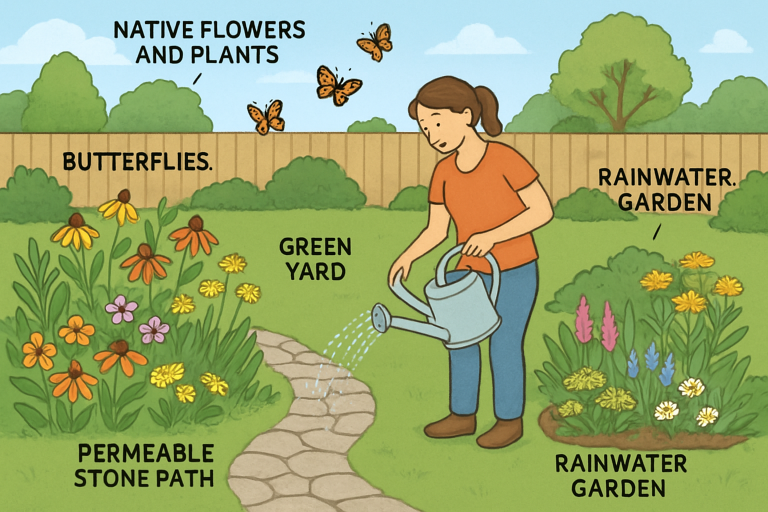
One of the most impactful changes a homeowner can make is to replace water-intensive ornamental plants with native, drought-tolerant species. Local plants have evolved to survive in the region’s unique climate and soil conditions, meaning they require far less water, fertilizer, and maintenance than non-local varieties. For more ideas on selecting resilient, low-water plants for your garden, resources like The Spruce provide comprehensive guides and plant suggestions. For example, homeowners in California are turning to native landscaping options and reaping the rewards: gardens that consume 60-70% less water while attracting butterflies, birds, and beneficial insects. These low-maintenance landscapes thrive on rainfall and ensure year-round vibrancy, all while curbing the demand on municipal water supplies.
Implementing Smart Irrigation Systems
Water conservation is central to eco-conscious landscape design. Smart irrigation systems, utilizing advanced soil moisture sensors and weather-responsive controllers, can decrease water use by up to 40%. These intelligent controllers automatically adjust watering schedules based on rainfall, temperature, and humidity, ensuring plants receive optimal irrigation without unnecessary water waste. Such systems relieve homeowners of the constant need for manual monitoring and help prevent overwatering, root rot, and other common plant problems. The convenience and precision of smart irrigation also translates to lower water bills and a reduced environmental footprint.
Incorporating Permeable Hardscape
Replacing traditional concrete and asphalt surfaces with permeable alternatives is an increasingly popular strategy for stormwater management and heat reduction. Materials like gravel, permeable pavers, decomposed granite, and natural stone allow rainwater to filter through into the soil, diminishing runoff and replenishing groundwater reserves. According to HGTV, these surfaces are especially effective in managing water while maintaining attractive, functional outdoor spaces. This approach not only reduces the risk of flooding but can help mitigate the heat island effect around homes and neighborhoods, keeping outdoor areas cooler in hot weather.
Designing Multi-Functional Outdoor Spaces
Today’s landscapes are designed to serve multiple purposes, creating havens for relaxation, exercise, social gatherings, and direct connection with nature. Popular wellness and enjoyment features include outdoor showers, meditation gardens, yoga decks, saunas, and natural water features. These elements are often integrated with sensory-friendly materials such as natural stone, weathered wood, lush foliage, and soothing water sounds. Multi-functional outdoor spaces are engineered to promote mental, physical, and emotional health while providing a direct link to natural beauty.
Creating Wildlife-Friendly Gardens
Landscaping for biodiversity is a growing trend, as homeowners recognize the importance of supporting pollinators and beneficial insects in their own yards. By incorporating a variety of native flowering plants, shrubs, and trees, gardens can provide essential food and shelter for bees, butterflies, and local birds. This increases the ecological value of residential landscapes and strengthens the broader ecosystem, ensuring the long-term survival of important species. Planting milkweed for monarch butterflies or wildflowers for native bee populations helps restore wildlife corridors, turning any backyard into a mini sanctuary.
Utilizing Sustainable Materials
Sourcing eco-conscious materials is increasingly shaping modern landscape projects. Homeowners are choosing recycled wood, bamboo, responsibly sourced stone, and other sustainable products over virgin or resource-intensive options. Permeable pavers made from recycled content and locally quarried stones require less transport and reduce landscape carbon footprints. The use of reclaimed and upcycled materials aligns with green building principles, providing durable, attractive features with significantly reduced environmental impact.
Adopting Battery-Powered Landscaping Equipment
As the focus on reducing noise and air pollution intensifies, there is greater adoption of battery-powered landscaping equipment, including mowers, trimmers, blowers, and chainsaws. These tools offer powerful performance plus the benefit of zero tailpipe emissions compared to gas-powered counterparts. They are quieter, require less maintenance, and help lower the overall carbon footprint associated with garden care. The popularity of battery-powered solutions reflects a wider commitment to cleaner, greener landscapes.
Conclusion
Eco-friendly landscaping is more than a trend—it’s a commitment to living in harmony with nature and fostering a healthier, more beautiful world right outside your door. By embracing strategies such as planting natives, using smart technology, selecting sustainable materials, and prioritizing biodiversity, homeowners can design outdoor spaces that stand the test of time and nurture both people and the planet.