Dreaming of a new pace of life? Relocating to a small town promises tranquility, affordability, and a strong community spirit that’s often hard to find in larger cities. For those considering making this lifestyle leap, exploring opportunities like Ephraim homes for sale offers a window into charming neighborhoods and welcoming communities that define small-town living. Yet, before you take the plunge, it’s wise to weigh all the factors that can impact your happiness and investment.
Small towns often provide a slower pace of life, lower cost of living, and more space to call your own. However, these benefits should be balanced with the realities of potentially limited job opportunities and fewer amenities compared to urban areas. Ensuring the move supports your lifestyle and long-term plans is key to making it a success—thorough preparation is your best ally when purchasing property in a less populated area.
Affordability and Cost of Living
One of the primary attractions for homebuyers considering small towns is affordability. Property prices are notably lower than those in metropolitan areas, allowing buyers to purchase larger homes or extra land for similar costs. This translates into a reduced cost of living, as everything from utilities to groceries tends to be more affordable on the budget. Especially for first-time buyers or those looking to downsize, these savings can free up resources for travel, hobbies, or saving for the future. According to Forbes, the financial advantages can be significant, making homeownership more accessible and sustainable.
Employment Opportunities
Before finalizing your decision, it’s essential to evaluate local job availability. Small towns typically offer fewer employment options, and high-paying positions in specialized industries may not be readily available. Some residents address this by working remotely or commuting to nearby cities. Those who are self-employed or have flexible work arrangements may find transitioning easier. However, those dependent on a specific career sector should thoroughly research local employment trends and consider whether remote work is a viable and sustainable long-term option.
Amenities and Services
A quieter setting has its perks, but it can also mean fewer shops, entertainment venues, and restaurants at your doorstep. Access to major retailers or specialty stores might require a longer drive, so planning is important. Additionally, service providers—such as repair technicians, internet companies, or childcare services—may be limited or have longer waiting lists. Prospective homebuyers should assess which amenities are non-negotiable for their day-to-day lives and be comfortable with the likelihood of making compromises in certain areas.
Community and Lifestyle
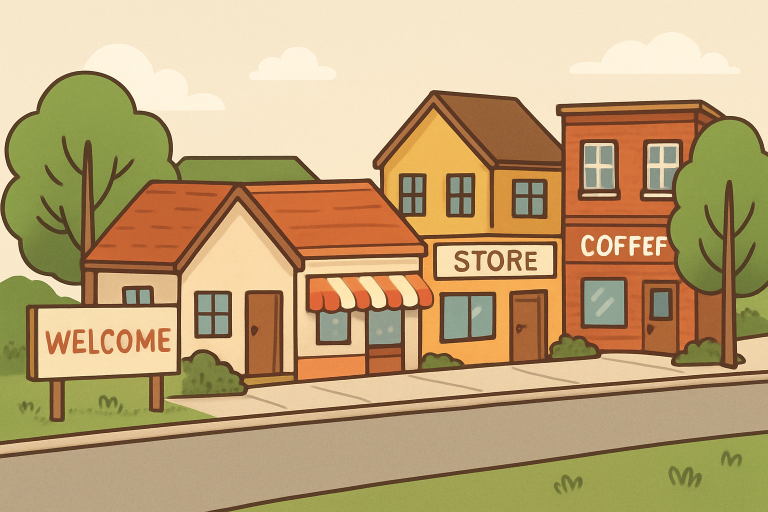
Small towns often foster close-knit communities where residents know their neighbors and actively support local initiatives. Many people find these bonds rewarding, as they provide a sense of security and belonging. Local festivals, farmers’ markets, and town meetings provide numerous opportunities to get involved. However, newcomers should respect established customs and take the time to assimilate, as traditions and social structures are often deeply rooted. Adapting to local norms is crucial in fostering harmonious relationships and maximizing your enjoyment of your new hometown.
Educational Facilities
Families with children or those planning to start a family must carefully consider schooling options. Smaller communities may have local schools with small class sizes, which can offer more personalized attention for students. However, there may be fewer Advanced Placement classes, extracurricular programs, or resources available for students with special needs. Exploring school district reviews, curricula, and graduation rates will ensure the chosen town meets your family’s educational priorities.
Healthcare Access
Easy access to healthcare is non-negotiable, especially for families with young children, the elderly, or those with chronic health conditions. While many small towns offer primary care services and clinics, specialized care or hospitals may be located farther away, potentially requiring significant travel in the event of an emergency. Future residents should investigate the quality and range of healthcare providers available locally, as well as access to urgent care and pharmacies.
Future Development and Property Value
Looking forward is key to any wise investment. The long-term prospects for property appreciation can hinge heavily on local development plans and town growth strategies. Engaging with the town’s planning department or attending public council meetings can provide valuable insight into future infrastructure projects, school investments, and business growth opportunities. This information is invaluable for predicting how your property’s value may change over time, ensuring your move is as much a sound investment as it is a lifestyle upgrade.
Final Thoughts
Purchasing a home in a small town offers an enriching combination of peace, affordability, and community—but it’s a decision that demands thorough research and self-reflection. By considering employment options, available services, access to education and healthcare, and future development, you’re more likely to settle into a home and a lifestyle that truly suits your needs and aspirations. Whether you’re browsing charming listings or planning your next big move, being informed is the first step toward a more fulfilling homeownership experience.