
Bunions, which are bony bumps that form at the base of the big toe, can cause ongoing discomfort and disrupt daily routines. While genetics and underlying foot structure play a role, proactive care can greatly reduce their severity. For those already experiencing pain, consulting bunion surgery specialists may provide more advanced guidance for relief and treatment options.
Preventive practices and attentive foot care can not only delay bunion development but also help manage symptoms and maintain mobility. Daily habits around footwear, exercise, and observation can help you live more comfortably, even if bunions run in your family or are already present.
Understanding bunions and their causes is a critical first step. By learning what contributes to their progression, individuals can make smarter choices about shoes, activities, and habits that keep feet healthy for years. Adopting these measures early can have a profound impact on foot comfort and function.
If you stay informed and take small steps each day, you can enjoy lasting foot health and minimize interference with your active lifestyle. Resources such as the Mayo Clinic’s overview on bunions can further expand your understanding of this common foot issue.
Understanding Bunions
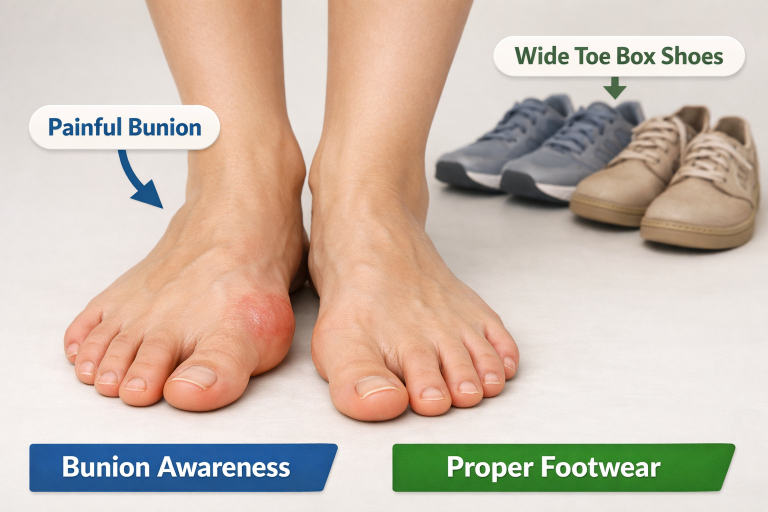
A bunion develops when the joint at the base of the big toe becomes misaligned and pushes outward. This causes the big toe to angle toward the other toes, which can result in swelling, redness, and soreness. While bunions can seem bothersome, early detection and management make a noticeable difference in long-term comfort and mobility.
Several factors contribute to bunion development. Some people are genetically predisposed due to inherited foot shapes, while others develop them from tight or ill-fitting shoes over time. Recognizing changes in the shape or alignment of your toe joint can help you intervene before a bunion worsens.
Choosing the Right Footwear
One of the most effective ways to prevent bunions is to choose shoes that promote natural foot positioning and movement. Properly fitting footwear that provides thoughtful support reduces pressure on sensitive areas and slows bunion progression.
- Wide Toe Box: Look for shoes that leave space for your toes to move freely, avoiding cramped conditions that force the big toe inward.
- Proper Arch Support: Good support ensures weight is distributed across the entire foot, avoiding excess pressure on the big toe joint.
- Low Heels: Limit heel height to prevent the body’s weight from being pushed forward and onto the toes, which can worsen bunions over time.
Feet can change shape as we age or due to injury, weight gain, or pregnancy. Taking regular measurements ensures you always wear the correct shoe size and get optimal support and comfort.
Incorporating Foot Exercises
Daily exercises tailored to your feet help build strength and maintain flexibility, supporting proper alignment and reducing bunion symptoms. Strong foot muscles stabilize the joints and make them more resilient to repetitive stress.
- Toe Stretches: Carefully pull your toes back to stretch the underside of the foot.
- Toe Flexing and Contracting: Alternate between curling and extending the toes to activate foot muscles.
- Picking Up Objects: Strengthen muscles by using your toes to grasp and lift small items, such as marbles or towels, off the floor.
Making these exercises part of your everyday routine will improve joint health and increase comfort. The Healthline guide on bunion exercises provides more details on foot exercises for support and overall wellness.
Maintaining Healthy Foot Habits
Adopting positive daily routines helps you avoid excess stress and discomfort caused by potential bunions. It is important to pay attention to your feet, rest with purpose, and maintain an optimal weight for your body’s size and frame.
- Monitor Foot Changes: Watch for swelling, redness, or visible bump formation at the base of your big toe. Early identification allows for prompt care.
- Rest Your Feet: Frequent breaks during standing or walking help prevent overexertion and reduce joint strain.
- Maintain a Healthy Weight: Carrying excess weight increases the load on your foot joints, increasing the likelihood or severity of bunions.
Exploring Non-Surgical Treatments
For those already managing bunions, several non-surgical options are available to ease discomfort and prevent further progression. Tailored approaches can minimize symptoms and enhance your daily experience without the need for invasive procedures.
- Padding and Taping: Use soft pads or protective covers to cushion the bunion and properly align the toe.
- Orthotic Devices: Customized shoe inserts can balance foot structure and relieve pressure from the affected joint.
- Medications: Over-the-counter pain relievers can control inflammation and lessen pain during flare-ups.
Seek guidance from medical professionals if bunion pain interferes with your normal activity or quality of life, as they can adjust treatment options to suit your condition best.
When to Consider Surgery
Surgical intervention is reserved for severe cases in which bunions cause prolonged pain or disrupt daily activities. The goal of surgery is to correct the joint deformity, realign the toe, and relieve symptoms when conservative options have failed. All surgery carries inherent risks, so discussing benefits, alternatives, and potential outcomes with a qualified surgeon is essential before making a decision. Surgery is generally considered when non-surgical treatments no longer provide relief or when bunion pain becomes disabling.
Conclusion
Incorporating careful shoe selection, daily exercises, and consistent foot care into your lifestyle significantly reduces your risk of developing bunions or worsening existing ones. Early action, thoughtful choices, and medical support empower you to enjoy pain-free movement and preserve foot health for the long term.