
A coastal home in Palm Coast can deliver ocean breezes, canal views, outdoor living, and easy access to beaches and trails. Still, a beautiful view is only one part of a sound purchase decision. Buyers should evaluate the structure, lot, insurance profile, water exposure, maintenance demands, and future resale appeal before becoming attached to finishes or scenery. For buyers comparing upscale homes in Palm Coast, Flagler Beach, and nearby coastal communities, Palm Coast, FL, real estate agent Pamela Capela of RE/MAX Select Professionals can provide a local perspective on luxury, waterfront, condo, and new-construction options. The RE/MAX Select Professionals website focuses on Palm Coast-area real estate. It reflects the team’s experience with construction, design, waterfront lifestyles, and the property details that can affect long-term value.
Start With The Location, Not The Floor Plan
Oceanfront, canal-front, golf-course, inland, and near-beach homes can offer very different ownership experiences, even when they have similar prices and square footage. Distance from the water may affect views, privacy, storm exposure, salt-air wear, and the time required for routine upkeep. Before making an offer, visit the neighborhood at different times of day. Consider traffic, noise, street lighting, access to groceries and medical services, and the route to the beach. Confirm whether beach access is public, private, or limited. Also look for sidewalks, trails, marinas, parks, and nearby development that could change traffic patterns or affect a view.
Check Flood Exposure And Drainage
Review flood zone information, elevation records, lot grading, drainage paths, and any history of water intrusion. A property outside a high-risk flood zone can still have problems during heavy rain or a major storm. Ask the seller for available elevation certificates, flood-insurance documentation, storm repair records, and information about nearby canals, retention ponds, swales, or drainage easements. During a showing, look for low areas in the yard, water staining near exterior doors, uneven pavers, and landscaping that appears designed to manage frequent standing water.
Review The Roof, Windows, And Exterior Materials
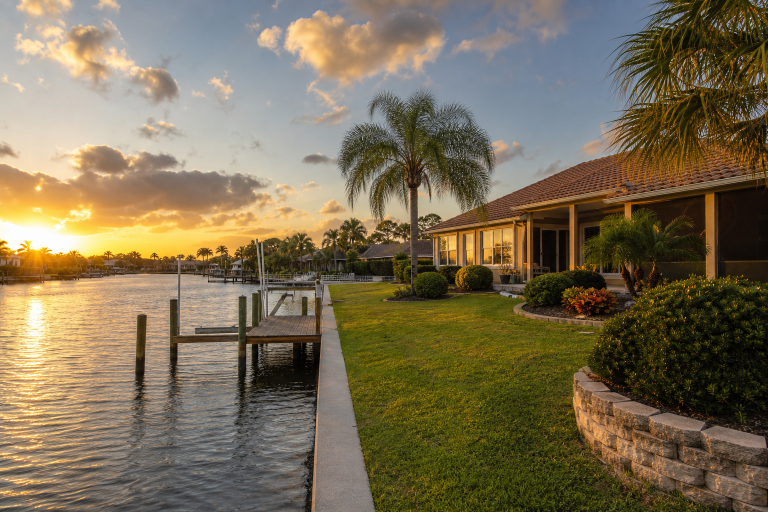
Coastal conditions can expose a home to wind, wind-driven rain, humidity, and salt air. A professional inspection should examine the roof, attic, windows, exterior doors, stucco or siding, balconies, decks, fasteners, and any exterior equipment. New-looking finishes are not proof that a home has been properly maintained. Request permits, installation dates, transferable warranties, and service records. Features worth investigating include impact-rated windows and doors, durable roof connections, corrosion-resistant hardware, and exterior materials appropriate for the climate. If the home has a dock or seawall, use qualified specialists rather than relying solely on a general home inspection.
Study Insurance Before Falling In Love With The Home
The purchase price is not the full cost of ownership. Request preliminary insurance estimates early, ideally before the end of the inspection period. Coverage availability and premiums can change, so final decisions should be based on current quotes from licensed insurance professionals.
- Ask about wind and flood coverage separately.
- Confirm how roof age and roof type affect eligibility.
- Review water-damage exclusions and deductibles.
- Determine whether pools, docks, seawalls, sheds, and other detached structures need additional coverage.
- Budget for storm-preparation supplies, tree care, and post-storm inspections.
Compare Waterfront Features With Their Maintenance Costs
Waterfront amenities can improve daily life, but each one deserves a maintenance plan and inspection question.
- Dock or boat lift: Offers boating convenience. Ask about permits, electrical condition, lift capacity, repair history, and water depth.
- Seawall: Helps protect the shoreline. Ask for inspection records, visible cracking, erosion concerns, and expected repair needs.
- Pool and spa: Creates a resort-style setting. Check equipment age, surface condition, enclosure integrity, plumbing, and heater operation.
- Outdoor kitchen and patio: Expands entertaining space. Inspect gas lines, drainage, cabinetry, appliances, and corrosion from salt air.
- Irrigation and landscaping: Supports curb appeal. Confirm water source, zone operation, drainage impact, and ongoing maintenance requirements.
Look Beyond Luxury Finishes
Marble counters, designer lighting, and premium appliances can be appealing, but they should not outweigh construction quality and functionality. Compare room flow, storage, natural light, window placement, energy efficiency, garage size, guest accommodations, and work-from-home space. A practical layout often retains its appeal longer than trend-driven finishes, which may need replacement.
Consider The Home’s Future Use
Your intended use should guide the evaluation. A second home may require storm shutters, remote monitoring, reliable maintenance vendors, and easy lock-and-leave security. A primary residence may place greater importance on daily errands, access to healthcare, storage, and commute times. Buyers considering rental income should verify association rules, local requirements, taxes, insurance, and realistic operating expenses before projecting returns.
Use Market Data Carefully
Compare recent closed sales, not just active listing prices. For a coastal or luxury home, the most useful comparables usually share similar water access, lot size, age, renovation quality, view, construction type, and insurance profile. A broad citywide median price may not accurately value an oceanfront residence, a canal home with a dock, or a high-end condominium. Review municipal planning and development information before committing to a location. Nearby road projects, public improvements, drainage work, or future development can influence convenience, traffic, and the character of an area over time.
Practical Coastal Home Review Checklist
- Confirm flood zone, elevation, drainage, and past water issues.
- Obtain insurance estimates before inspection deadlines pass.
- Review roof age, permits, windows, doors, and exterior materials.
- Inspect the pool, dock, seawall, irrigation, and outdoor systems.
- Compare recent closed sales with genuinely similar properties.
- Read association rules, fees, rental limits, and maintenance obligations.
- Estimate annual maintenance and storm-preparation costs.
- Visit in bright weather and, when practical, after heavy rain.
- Request written findings from qualified inspectors and specialists.
- Decide whether the home supports both current needs and plans.
Common Questions Buyers Ask
Is An Ocean View Enough To Justify A Higher Price?
A view can add meaningful value, but consider its privacy, permanence, maintenance impact, insurance costs, and resale appeal. Not all views are equally protected or equally useful in daily life.
Should A Buyer Always Choose A Newer Coastal Home?
No. Age is only one factor. A well-maintained older home with documented upgrades, sound systems, and quality materials may be a stronger choice than a newer property with unresolved construction or drainage issues.
What Should A Buyer Inspect First?
Start with the roof, structure, drainage, electrical system, plumbing, air conditioning, windows, doors, pool, seawall, and weather-exposed exterior features.
Choose The Home That Works Beyond The View
The strongest coastal purchase balances lifestyle with practical ownership. By evaluating location, construction, insurance, water exposure, maintenance, and future use, buyers can choose a Palm Coast home that delivers more than an attractive first impression and fewer surprises after closing.
Conclusion
A Palm Coast coastal home should be chosen for more than its views or luxury finishes. The best property is one that balances location, construction quality, insurance costs, flood exposure, maintenance needs, and long-term value. By carefully comparing each home’s condition, waterfront features, ownership expenses, and future resale potential, buyers can make a more informed decision. Taking time to review inspections, insurance options, and neighborhood factors before making an offer can help reduce unexpected costs and ensure the home supports both your lifestyle and financial goals for years to come.