
Marine engine mounts might not be the first component that comes to mind when outfitting or maintaining a boat, but their impact on safety and reliability cannot be overstated. These durable parts secure the engine to the vessel’s structure. They play a critical part in absorbing engine vibrations, controlling noise, and shielding the hull from excess stress. Maintaining engine mounts is as fundamental as sourcing high-quality marine plumbing parts and supplies for safe and reliable boating.
Neglecting engine mounts can lead to complications that could compromise both comfort and operational safety. When engine vibrations go unchecked or mounting hardware fails, the entire vessel can be affected, leading to more frequent repairs and even the risk of costly damage to both engine and hull. With so much at stake, understanding how engine mounts function and when to maintain them is essential for every boat owner.
Engine mounts do more than hold the motor in place; they ensure smooth operation, reduce mechanical stress, and help maintain proper engine alignment. Their role becomes most evident during cruising, when harsh sea conditions put significant pressure on all onboard systems. Well-chosen and well-maintained mounts protect sensitive components, enabling boaters to enjoy quieter, smoother voyages.
Importance of Marine Engine Mounts
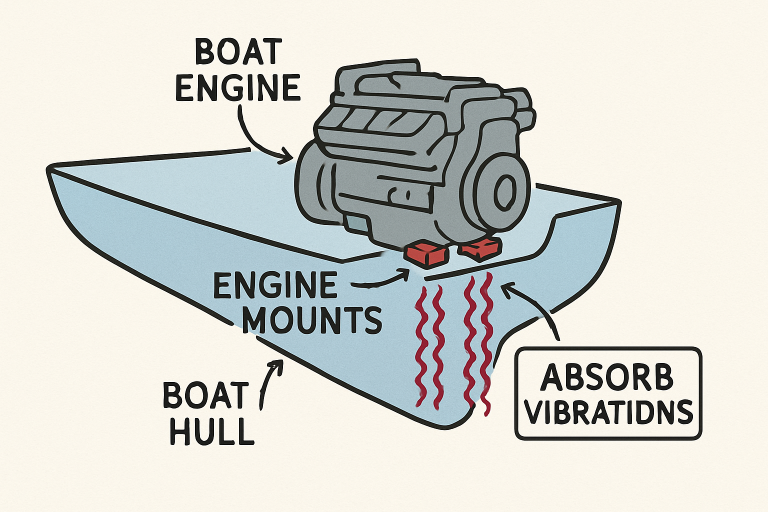
Marine engine mounts serve as an essential interface between the powertrain and the hull. They are designed to absorb and dissipate energy generated by the engine, isolating the rest of the boat’s frame from the constant stress caused by moving parts. By reducing vibrations at the source, engine mounts protect delicate electronics and fittings, minimize the likelihood of structural fatigue, and boost the overall longevity of marine systems.
- Vibration Isolation: Dampening vibrations is perhaps the most critical job of engine mounts. By absorbing kinetic energy, they prevent the hull from being subjected to persistent shaking. This not only reduces discomfort for passengers but also limits wear and tear on navigational and electrical systems.
- Noise Reduction: Sound travels readily through water and solid surfaces. Effective engine mounts help confine engine noise, making the onboard environment more pleasant, particularly crucial in recreational boats, where cabins are in close proximity to the engine room.
- Structural Protection: Securing the engine in place prevents it from shifting while underway. The mounts absorb the jostling and vibrations that would otherwise be transmitted to the hull, shielding the vessel from long-term damage and misalignment.
According to Boating Magazine, regular attention to these features can prevent a cascade of issues that can impact everything from propeller efficiency to transmission alignment and hull integrity.
Signs of Worn Engine Mounts
Early recognition of faulty engine mounts can save boat owners from costly repairs. Common signs of deteriorating mounts include:
- Increased Vibration or Noise: When vibrations grow noticeably stronger or noise becomes pervasive during operation, the mounts may be losing their shock-absorbing qualities.
- Engine Misalignment: If the engine appears to sit unevenly or the propeller shaft no longer runs true, deteriorated mounts are a likely cause.
- Visible Wear: Inspect regularly for cracks, compressed or softened rubber, corrosion on metal parts, or any sign of fatigue.
Unaddressed, these warning signals can escalate into severe mechanical problems, such as damage to the driveshaft, mounts tearing loose, or even hull breaches if excessive stress is absorbed by the structure.
Recommended Replacement Intervals
The working life of engine mounts is affected by engine usage, boating conditions, and environmental factors such as salt and moisture. Adhering to manufacturer recommendations helps prevent failures before they escalate:
- Every 5 to 10 Years: Standard usage under moderate loads typically provides a decade of service, but saltwater environments and heavy-duty operations can shorten the lifespan.
- Every 1,000 Operating Hours: Some manufacturers suggest using engine hours as a guideline for planned replacement.
Scheduling routine replacements is often more affordable than dealing with engine misalignment or hull repairs caused by neglect.
Proper Installation and Alignment
Even the highest-quality marine mounts cannot perform if installed incorrectly. Alignment processes ensure that the engine’s centerline is parallel to the propeller shaft, reducing side stress and preventing undue wear. Key installation principles include:
- Parallel Installation: The mounts must be aligned with the engine’s main axis to prevent mechanical strain.
- Height Adjustment: Placing the engine bracket as low as feasible on the adjusting stud reduces leverage on the mount, limiting the chance of breakage.
- Use of Appropriate Hardware: The correct grade and type of bolts and nuts are vital for withstanding engine movement and environmental exposure.
Improper or rushed installation can result in chronic vibration, premature mounting failure, and, in rare cases, catastrophic engine detachment.
Choosing the Right Engine Mounts
Each marine application is unique, and so are the demands placed on engine mounts. Selection should account for:
- Engine weight and horsepower
- Mount location and vessel type
- Expected operational loads
- Environmental factors such as saltwater or vibration intensity
Consulting with professionals or relying on reputable marine supply manufacturers is key to getting the right fit. Specialist input ensures mounts meet both regulatory compliance and operational expectations of longevity and performance.
Final Thoughts
Quality marine engine mounts are a safeguard for both safety and comfort at sea. By emphasizing regular inspections, timely replacements, and proper installation practices, boat owners position themselves for smoother, quieter, and safer trips. Attention to these details may seem minor, but they provide substantial rewards, protecting both onboard systems and the overall boating experience.