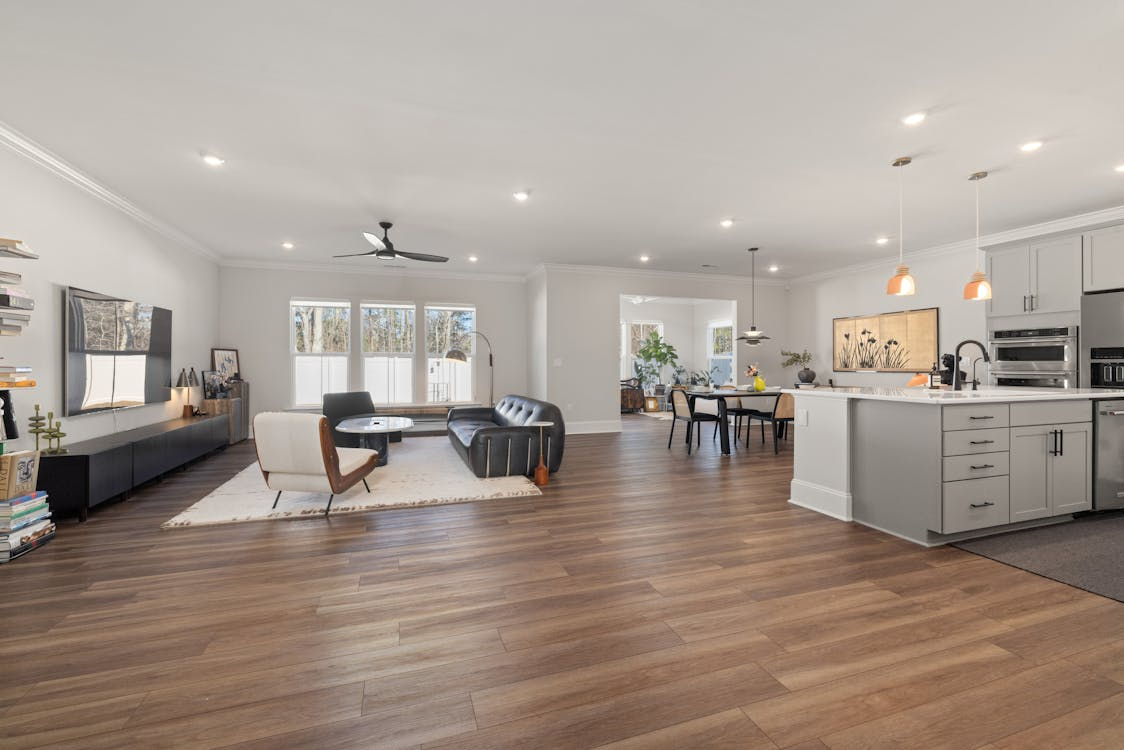
Homeownership comes with ongoing responsibilities that many people underestimate. Small issues often develop quietly, yet they can lead to major repair costs if homeowners delay inspections or routine upkeep. Regular maintenance helps protect a home’s structure, improve energy efficiency, and preserve long-term property value. By staying proactive, homeowners can reduce the risk of emergency repairs while creating a safer and more comfortable living environment for their families.
Consistent upkeep also allows homeowners to identify aging systems before they fail unexpectedly. Exterior materials, plumbing components, heating systems, and drainage structures all experience wear over time due to weather exposure and daily use. In places like Tenino, where rainfall is frequent throughout much of the year, regular inspections become even more important because water damage can spread quickly once it enters the home.
Maintaining the Structural Envelope of Your Home
The structural envelope includes the roof, gutters, siding, windows, and other exterior components that shield the home from weather exposure. These systems work together to keep moisture out while maintaining indoor comfort throughout the year. Even minor exterior damage can create entry points for water, pests, and air leaks. Homeowners should inspect these areas regularly to identify missing shingles, cracked siding panels, loose flashing, or clogged gutters before they worsen.
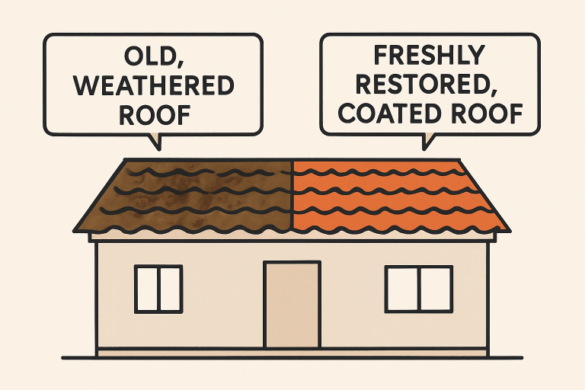
Routine maintenance extends the lifespan of exterior materials and helps prevent expensive structural repairs. Cleaning gutters, trimming nearby tree branches, and checking attic ventilation all contribute to better roof performance. While repairs can address isolated damage, aging roofing systems eventually lose their effectiveness after years of exposure to heavy rain and temperature changes. If you are looking for a company that offers services like roof replacement in Tenino, there are plenty of options available. Choosing experienced professionals is important because proper installation directly affects the durability and performance of your roofing system.
Keeping HVAC Systems Efficient and Indoor Air Healthy
Heating and cooling systems play a major role in maintaining indoor comfort, but they also require regular maintenance to operate efficiently. Dirty air filters, blocked vents, and neglected equipment force HVAC systems to work harder, increasing energy costs and reducing performance. Replacing filters consistently improves airflow while helping reduce dust, allergens, and airborne particles inside the home. Seasonal inspections also help identify worn components before they cause unexpected breakdowns.
Professional servicing helps extend the lifespan of HVAC equipment while supporting healthier indoor air quality. Technicians can inspect refrigerant levels, clean coils, test thermostats, and check ductwork for leaks or airflow restrictions. Homeowners should also pay attention to warning signs such as uneven temperatures, rising utility bills, or unusual noises coming from the system.
Preventing Plumbing Problems Before They Escalate
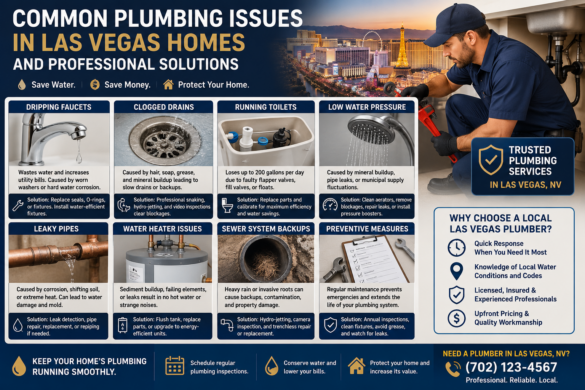
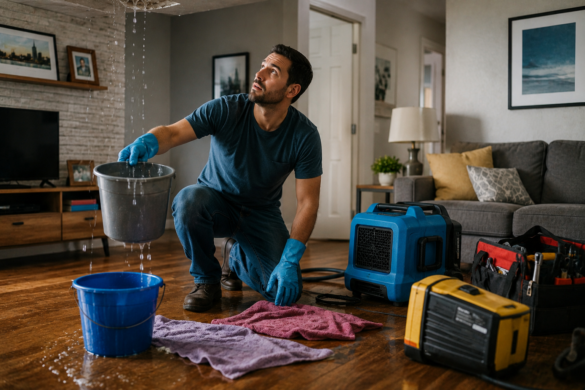
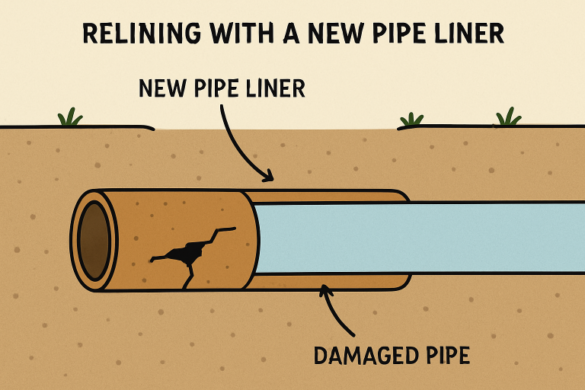
Plumbing issues often begin as small leaks or slow drains that many homeowners ignore until serious damage appears. Unfortunately, even minor leaks can lead to mold growth, wood rot, and expensive water damage over time. Regular inspections of sinks, toilets, pipes, and appliances help homeowners catch problems early. Monitoring water pressure and checking for damp spots around walls or ceilings can also reveal hidden plumbing concerns before they worsen.
Water heaters also require routine maintenance to remain efficient and reliable. Flushing sediment buildup from the tank helps improve performance and reduces unnecessary strain on the system. Homeowners should additionally inspect exposed pipes for corrosion, loose fittings, or insulation damage during colder months.
Protecting Your Foundation With Proper Drainage and Grading
A home’s foundation depends heavily on effective drainage systems and proper yard grading. When water collects near the base of a house, it can weaken structural materials and create long-term stability issues. Poor drainage may also lead to basement moisture, soil erosion, and cracks along walls or flooring. Homeowners should regularly inspect the area surrounding the property to ensure water flows away from the structure after rainfall.
Downspouts, gutters, and drainage channels all help redirect excess water safely away from the home. Keeping these systems clear prevents unnecessary water buildup around the foundation. Homeowners should also look for warning signs such as uneven floors, sticking doors, or visible cracks near windows and corners.
Prioritizing Electrical Safety and Emergency Systems
Electrical systems require regular attention to ensure the home remains safe and fully functional. Faulty wiring, overloaded circuits, and damaged outlets increase the risk of electrical fires and equipment failure. Homeowners should schedule periodic inspections, especially in older homes where wiring may no longer meet modern energy demands. Testing outlets and monitoring flickering lights can also help identify developing electrical issues before they become dangerous.
Smoke detectors and carbon monoxide alarms should also remain a top maintenance priority. These devices provide critical protection during emergencies, yet many homeowners forget to test them consistently. Replacing batteries, checking expiration dates, and testing alarms monthly helps ensure reliable operation when needed most.
Building a Practical and Prioritized Home Maintenance Checklist
A structured home maintenance checklist helps homeowners stay organized and avoid overlooking important tasks throughout the year. Breaking responsibilities into monthly, seasonal, and annual categories makes maintenance easier to manage consistently. Smaller routine inspections often reveal developing problems before they turn into expensive emergencies.
Budgeting for future repairs and replacements is another important part of responsible homeownership. Roofing systems, HVAC equipment, and water heaters eventually require upgrades even with regular care. Planning ahead financially reduces stress when larger repairs become necessary. Maintaining detailed records of inspections, repairs, and service appointments can also help homeowners track maintenance history while protecting the long-term value and condition of the property.
Long-Term Value Starts With Consistent Home Care
Regular home maintenance protects far more than appearance alone. Roofing systems, plumbing, electrical components, drainage structures, and outdoor spaces all contribute to the safety, efficiency, and durability of a property. Addressing small concerns early helps homeowners avoid larger structural problems, costly repairs, and unnecessary disruptions to daily life. Consistent upkeep also improves energy performance and helps maintain a comfortable indoor environment throughout the year.
Homeowners who invest time in preventive maintenance often experience greater peace of mind and stronger long-term financial security. A well-maintained property remains more reliable during seasonal weather changes and retains its value more effectively over time. By staying proactive and organized, homeowners can protect their investment while creating a safer and more dependable living space for their families.