The U.S. Sentencing Commission’s analysis for the fiscal year 2024 shows that 2.3% (1,430) of the 61,678 federal criminal cases are sex crime cases. This figure shows an alarming 62.5% increase over the 2020 number for this category.
The material evidence in sex crime cases is sometimes sensitive and difficult to grasp. It is important in such cases to pay attention to the evidence, both physical and digital records. Another significant reason for direct, contemporary testimony is its weight in the case.
Defense aims to discredit evidence, knowing that by doing so, its credibility will be diminished in the eyes of the jury or judge, helping influence their final opinion.
Consider holding a conversation with a sex crime lawyer who can bring home the gravity of the situation that confronts you. According to a sex crime lawyer in San Tan Valley, investing in a lawyer can make all the difference for your case.
Let’s take a look at the key factors judged and courts use to challenge evidence in sex crimes.
The Role of Witness Testimonies in Evidence Challenges
In a case of sexual offense, the eyewitness account remains significant to establishing the reality of this type of event. Most criminal charges relate to personal experiences, and in most cases, they have no witnesses. Witnessing the event will help clarify the specific context in which it occurred.
A clear and logical look offers the jury the case’s meaning. Presence of inconsistency or contradiction in the evidence offered can cause the testimony to be treated with suspicion.
In the most common scenario, defendants and lawyers debate or discuss previous interactions and then compare them to the evidence presented orally in court to spot inconsistencies and derive contradictions. The witness’s lucidity, conduct, and recall of the happenings turn into one of the factors that the evidence is based on.
In cases where multiple witnesses tell the same story, the combined accounts may give more power to the prosecution’s case theory. In the case of contradictory or partial accounts, such inconsistencies could be used by the defense in arguing reasonable doubt.
In the West Virginia sex offender laws, a conviction can have lasting consequences beyond prison time. And many offenses require mandatory registration as a sex offender, restricting where they can live and work.
Admissibility of Forensic Evidence
The findings of forensic examination on DNA evidence, trace materials, and digital data will be recognized in significantly affirming or denying claims/arguments once the evidence passes the tests of relevance and reliability.
The courts constantly examine the different stages through which the evidence passed from obtaining to testing. The judge has the power to restrict or even exclude the evidence based on problems with the chain of custody or the lack of scientific validation of the testing methods.
The jury needs these assessments to obtain only reliable information and not uncertainties or misleading materials. A case in point is if a laboratory used an outdated testing technique or there was a mistake in the sample handling, then the law might declare the evidence as too susceptible to errors.
Forensic techniques can be complex, but the parties involved in the litigation may resort to specialists for the explanation of the scientific procedures. Such professionals can be called upon to help the jury gauge any evidence that has been placed before them.
Cross-Examination Techniques Employed by Defense Attorneys
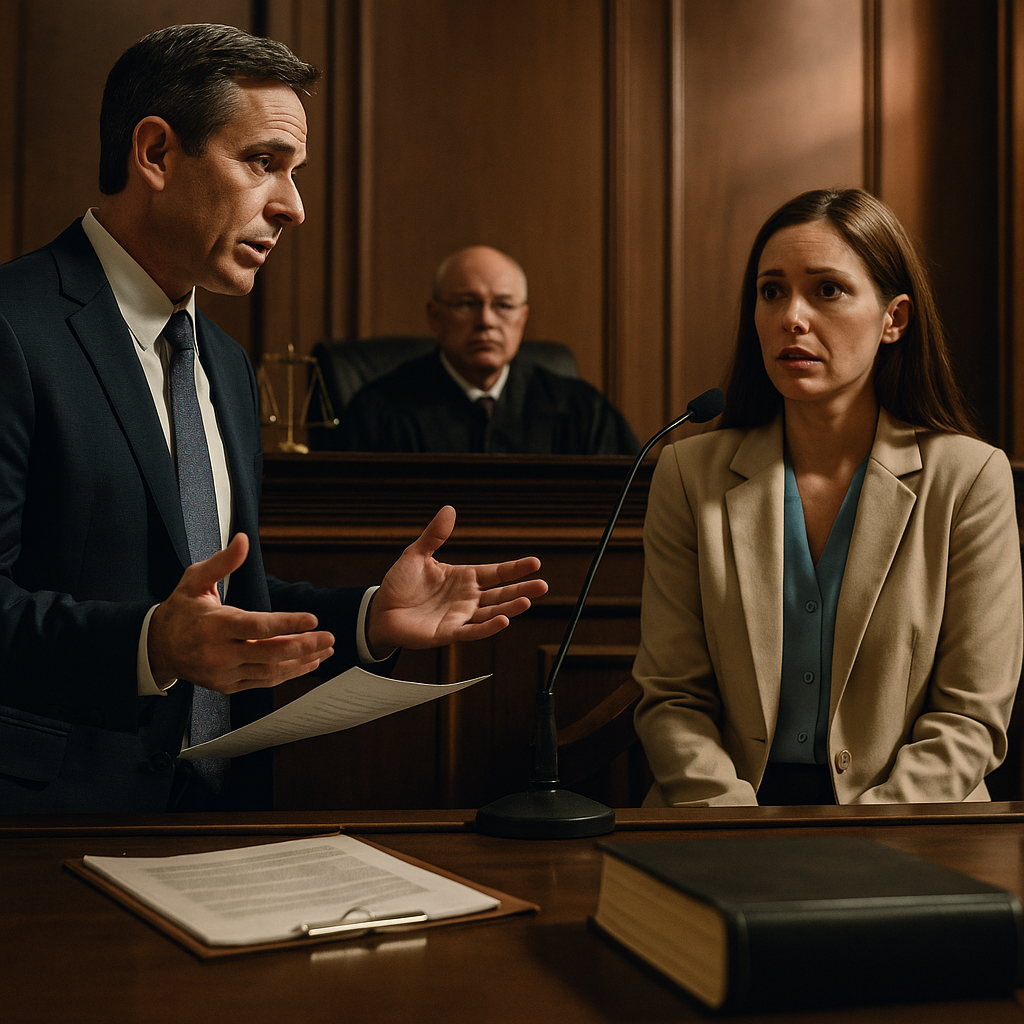
There are certain aspects to examine during defense trials. During the cross-examination of a witness, defense attorneys will often concentrate upon the power and the consistency of the evidence that the prosecution has exhibited. Witnesses may be asked about their memory or any changes, or they may try to show the jury a motive or bias that could distort testimony.
Their efforts are primarily to check the reliability of the witness’s memory and expose weaknesses and uncertainties. The defense will probably emphasize, in cases where no tangible evidence is brought into court, that jurors should be very cautious about purely memory-based accounts.
Apart from that, cross-examination gives the defense the opportunity to criticize the way forensic evidence was gathered or to question the expertise of the witness for the prosecution. By using these methods, the defense is achieving its goal of demonstrating that there exists a reasonable doubt.
The Impact of Bias and Stereotypes on Evidence Interpretation
Biases and stereotypes can affect the interpretation of evidence in any criminal case, like sexual misconduct allegations, to a certain extent. Jurors might impose their beliefs about how a person “should” act before or after an incident, and this can influence the value of the testimony.
A juror might, for example, mistakenly believe that late reporting is very infrequent, whereas the literature and practice in this field assert that such a case is very usual.
Stereotypes concerning various aspects, some of which are gender, age, sexual orientation, and cultural background, can significantly affect the perception of credibility. Lawyers very often confront the issues directly during the selection and closing arguments to influence the jurors to objectively look at the evidence.
In the judicial system and in legal practices, when counsel and legal agents recognize the concept of bias, they can be fairly evaluated based on the evidence.
Legal Standards for Evaluating Credibility and Reliability of Evidence
Courts rely on established evidentiary standards to judge veracity and decent grounds for evidence. Standards may include consistency with other evidence, consistency of a witness statement and other evidence, and whether the witness was actually in sight of the event being described.
The prosecution must prove its case against the defendant, absent any reasonable doubt. In cases of conflict or when admissible evidence is insufficient to support the prosecution’s case, the defense must argue whether the prosecution has met this requirement.
The purpose of these standards is to protect the rights of all parties in a court proceeding and help guarantee that every piece of evidence is meticulously weighed.